
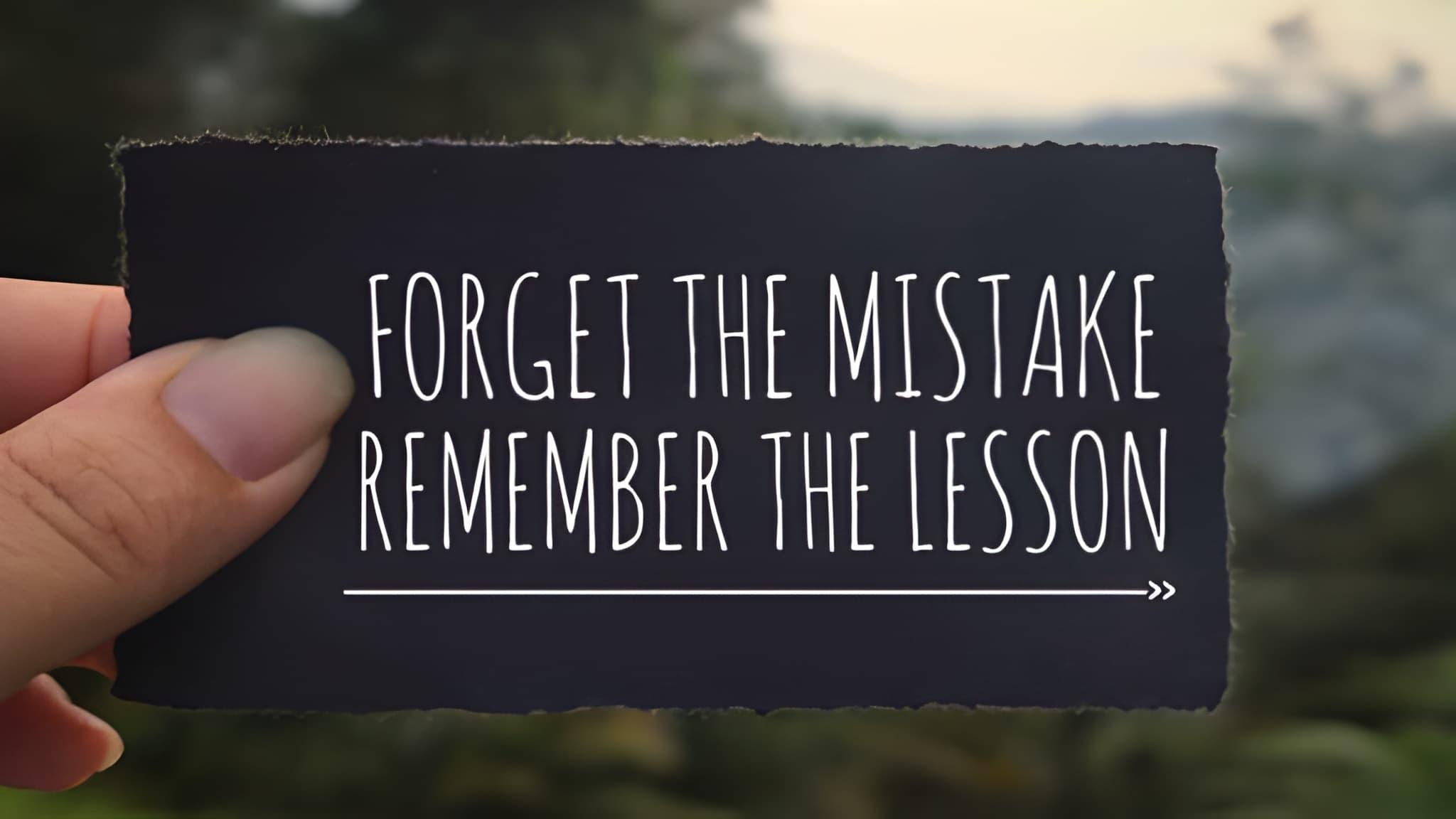
You want words that cut through noise and make life feel clearer. Deep quotes about life can do that — they show simple truths, challenge how you think, and give you something honest to hold onto when choices get messy. You’ll find short lines that spark big insight and help you act with more purpose.
These quotes come from writers, thinkers, and everyday people who faced hard questions and boiled their answers down to a clear sentence. Use them to spark reflection, guide a tough decision, or share a fresh way to see a relationship, money, happiness, or your future.
Key Takeaways
- Short, powerful lines can clarify what matters most to you.
- Quotes come from many views and help shape your thinking.
- Use chosen quotes to guide action, choices, and daily meaning.
What Are Deep Quotes About Life?
Deep quotes about life capture sharp ideas about how people live, learn, and change. They often point to hard truths, clear guidance, or fresh ways to see your actions and choices.
Defining Deep Quotes
A deep quote about life is a short, memorable line that makes you think about meaning, choices, or values. It often uses concrete images or simple comparisons to show a larger idea. For example, a philosophy quote about life might compare learning to a slow, steady journey rather than a quick victory.
These quotes focus on real experience, not vague comfort. They come from thinkers, writers, or everyday people who reflect on loss, growth, love, work, and purpose. You can spot a life experience quote when it ties a specific moment—like failure or a hard lesson—to a general truth you can use.
A strong deep quote is clear, honest, and testable in daily life. It makes you re-evaluate a choice or feel less alone in a struggle. You can repeat it to remind yourself of how to act or what matters.

Why Deep Quotes Resonate with People
Deep quotes hit you when they match something you already felt but couldn’t say. They condense complex feelings—grief, hope, regret—into a single, sharp sentence. That makes them easy to remember and share.
They also offer mental tools. A good quote gives a new lens for a problem, like showing patience as strength or failure as schooling. That practical angle helps you apply the idea to relationships, work, or decisions.
Familiar sources add trust. When a respected philosopher or writer phrases a truth plainly, you pay attention. But everyday life experience quotes from friends can be just as powerful because they feel real and relatable.
Origins of Deep Life Quotes
Deep life quotes come from several places: philosophy, literature, speeches, interviews, and daily conversation. Classical philosophers offered big frameworks about virtue and purpose. Modern writers and speakers often translate those frameworks into short lines you can use today.
Many quotes arise from personal loss, success, or long practice. A life experience quote might originate in a journal entry or an offhand remark that others repeat. Social media and books collect these lines quickly, giving them life beyond the original moment.
When you trace a quote’s origin, you find context that changes its meaning. Knowing where a philosophy quote about life came from helps you test if it fits your situation.
Philosophy Quotes About Life
Philosophical quotes about life give you short, sharp ideas that shape how you think, act, and make choices. They often come from long arguments but work as quick reminders you can use daily.
Influence of Philosophers
Philosophers like Aristotle, Confucius, and Nietzsche shaped the language people use about virtue, duty, and meaning. Their lines often boil complex systems into a single rule you can test in your life, such as practicing moderation or questioning accepted values.
You can trace modern sayings back to specific thinkers. For example, Stoic ideas about control and acceptance appear in many contemporary quotes on stress and resilience. That makes those quotes useful tools when you want clear guidance on what to focus on and what to let go.
Use these quotes as entry points. They help you find full texts or ideas worth studying more deeply, and they point to practices — like daily reflection or ethical choices — that change behavior over time.
Timeless Wisdom
Timeless philosophical quotes pack enduring advice into brief lines you remember. They often address universal problems: how to live well, how to face loss, or how to act justly. Because they aim at core human needs, they stay relevant across cultures and eras.
You’ll notice many of these quotes repeat a few core themes: balance, purpose, and responsibility. These themes give you concrete tasks, such as setting priorities, acting with integrity, and accepting limits. That makes the quotes practical, not just pretty words.
Treat them as prompts. Let a single sentence guide a day’s decision or a tough conversation. Over time, repeating a short maxim can shift your habits and outlook.
Modern Interpretations
Modern writers and thinkers rework old lines to fit new problems like technology, mental health, and fast-paced work. You’ll see classic ideas framed around productivity, digital distraction, or self-care. This keeps the quotes fresh and directly useful.
When you read a modern version, check the core claim: does it still rest on reason or evidence? Some adaptations simplify too much. Good modern quotes preserve the original insight while making it applicable to your life now.
Use modern interpretations as tools, not rules. Pick the parts that help you solve a current problem, and combine them with a longer philosophical source if you need deeper support.
Life Experience Quotes
Life experience quotes often point to lessons learned from hardship, change, and growth. They show how specific moments—loss, success, or hard choices—shape your values and actions.
Learning from Adversity
You learn most when things break down. A life experience quote about adversity might say that pain teaches skill or that failure reveals true priorities. Use those lines to remind yourself to look for the lesson in each setback.
When you face a hard job loss, illness, or failed relationship, ask what skills or boundaries you gained. Write one clear takeaway after each event: a new habit, a changed belief, or a needed boundary. This turns vague suffering into a concrete guide for future choices.
Lean on phrases that name the change, such as “I learned to ask for help” or “I stopped confusing busyness with progress.” Short quotes like these stick in your mind and push you to act differently next time.
Growth Through Challenges
Challenges force you to stretch beyond comfort. A life experience quote about growth through challenge often highlights practice, patience, and steady effort rather than instant success. Keep those ideas close when progress feels slow.
Break big problems into small tasks and celebrate the tiny wins. For example, if learning a new skill feels overwhelming, set a 15-minute daily practice and note improvement weekly. That pattern reflects many quotes that connect steady work to lasting change.
Use quotes that emphasize process—“small steps add up”—to remind yourself that growth is cumulative. When you repeat clear actions, you turn one-off effort into a reliable path forward.
Reflections on Personal Change
Personal change happens when you reflect honestly on who you were and who you want to be. Life experience quotes about change often stress accountability and choice. They help you name what to keep and what to leave behind.
Set aside short reflection times—five to ten minutes after a week—to compare actions with values. Ask: “What did I do this week that aligns with who I want to be?” Pick one concrete adjustment for the next week and track it.
Choose quotes that speak to ownership, like “I am what I choose to become.” Let them remind you that change comes from repeated decisions, not vague hopes.
Quotes About Money and Life
Money can change how you live, where you work, and what you worry about. Many quotes link money to freedom, responsibility, or limits on happiness.
Balancing Wealth and Happiness
You often face trade-offs between earning more and spending time on family, health, or learning. Look for quotes that remind you money is a tool, not the goal. For example, sayings that stress enough warn against endless chasing. Those ideas push you to set clear limits: how many hours you work, how much you save, and when you stop to enjoy life.
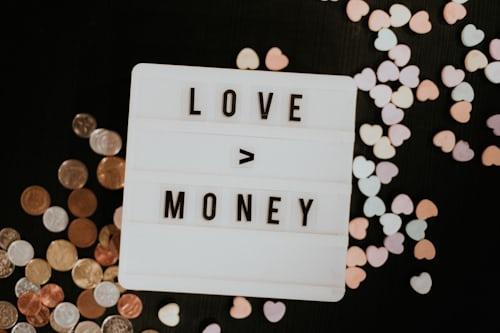
Practical lines often highlight choices: choose steady income with free weekends, or high pay with long hours. Use such quotes to check your priorities. They help you ask honest questions about risk, stress, and what makes your days worth living.
Famous Voices on Money
Famous thinkers give short, sharp takes you can apply immediately. Some claim money buys comfort but not meaning. Others note that wealth exposes character and responsibility. These quotes help you spot common truths: avoid debt traps, value time over flashy items, and let generosity shape your decisions.
When a well-known voice links money and purpose, treat it like advice. You can test it by tracking a month of spending or trying a small act of giving. These quotes become prompts for habits: budgeting, investing in health, and keeping friendships outside work.
Prioritizing Values Over Riches
Many quotes push you to name the values you won’t trade for money. They often place trust, health, and integrity above income figures. Such lines encourage you to refuse offers that harm your relationships or ethics, even if they pay more.
Use these quotes as a filter when decisions arise. List the values you want to protect, then compare each job or purchase to that list. This makes it easier to say no to short-term gains that damage long-term goals.
Meaning of Life Explored Through Quotes
You will see how quotes can point to purpose, values, and tough questions about existence. They often name specific aims—service, creativity, relationships—or push you to face freedom, choice, and mortality.
The Search for Purpose
Many philosophy quotes about life link purpose to action you can take now. They talk about daily work, helping others, or creating something that outlives you. For example, a quote might tell you to focus on small, steady efforts rather than distant results.
Use quotes as prompts: write down one value you want to practice this week, then pick a single action that expresses it. This turns abstract purpose into a clear habit. When a quote names a role—parent, artist, citizen—you can test it by asking, “What would someone in that role do today?” That makes purpose concrete and measurable.
Existential Reflections
Existential quotes ask you to examine choice, freedom, and the fact of your own limits. They often point out that meaning is not given; you must create it through decisions. A typical line will remind you that anxiety and responsibility come with freedom.
When you read these quotes, ask specific questions: “Which choice here reflects my values?” or “Where am I avoiding responsibility?” This helps you turn worry into a decision. Use short journal prompts after a quote to track how your answers change over time.
Inspirational Deep Quotes
These quotes show how to act, recover, and grow. They point to specific steps you can take and the mindset that helps with real change, hardship, and inner calm.
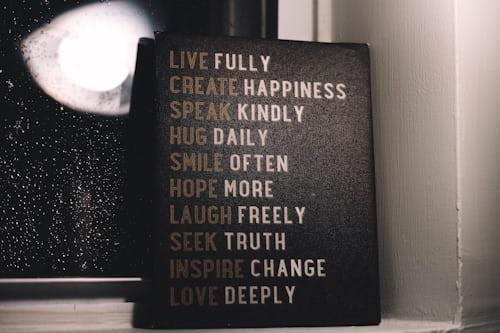
Motivating Change
You can use short, strong quotes to push yourself toward new habits. Pick phrases that match the change you want — for example, a line about starting small for building routines or a line about courage for career shifts. Put one quote where you’ll see it daily: on your mirror, phone lock screen, or a sticky note at your desk.
Turn the quote into an action: write one small task tied to the phrase and do it for a week. Track progress in a simple list. Seeing small wins helps you keep momentum and makes big changes less scary.
Try reflecting weekly on what the quote asks of you. Ask: “What single step honors this line today?” Answer honestly, then act. This keeps the quote as a practical guide, not just a nice phrase.
Overcoming Obstacles
Choose quotes that name the problem clearly, like ones about persistence or learning from failure. When a quote mentions struggle as part of growth, let it remind you to separate emotion from facts. List the concrete barriers you face, then pair each barrier with one practical response inspired by the quote.
Use the quote to reframe setbacks. If a line says failure is feedback, treat mistakes as data to adjust your plan. Keep a short failure log: what happened, what you learned, and one next step. This turns painful events into usable lessons.
Lean on quotes that emphasize steady effort. Repeat them before difficult tasks to calm your nerves and focus on the next small move. Consistent, simple actions reduce the chance obstacles stop your progress.
Finding Inner Strength
Look for quotes that describe strength as practice, not a trait. Let those lines remind you to build habits that support emotional resilience, such as sleep, daily walks, or short journal entries on what you handled well.
Use a favorite quote as a breathing cue when you feel depleted. Breathe in for four counts while reading the line, then exhale and name one thing you controlled in the last hour. This anchors you in the present and strengthens self-trust.
Include “life experience quote” entries in your journal. Note a quote, the situation it fits, and how it changed your view. Over time, you’ll create a personal library of phrases tied to real outcomes you can use when you need strength.
Love and Relationships in Deep Quotes
You will find lines that name what matters most in love: true presence, honest words, and steady actions. These ideas show how to build trust, give care, and move past hurt.

Understanding Connections
Quotes about connection often point to specific actions you can take. They highlight things like listening without planning your reply, making time for small daily routines, and showing up when your partner is stressed. These details matter more than grand gestures because they create predictable safety.
Look for phrases that value emotional honesty. When a quote praises saying the hard thing with kindness, it means you should name needs and limits clearly. That habit reduces confusion and prevents resentment.
Pay attention to metaphors that stress balance — not losing yourself while staying close. Use them as reminders to keep friendships, hobbies, and boundaries alongside the relationship.
Lessons on Compassion
Compassion in quotes teaches you to respond, not react. You learn to pause before defending or blaming. This pause gives you space to ask, “What are they feeling?” and then reply with care.
Many quotes stress small compassionate acts: offering a quiet cup of tea, holding a hand during bad news, or repeating a partner’s words to show you heard them. These acts build trust more than dramatic apologies.
Compassion also means giving consistent kindness, even when you’re tired. Look for lines that urge patience — they guide you to choose calm and curiosity over irritation.
The Role of Forgiveness
Forgiveness quotes usually focus on freeing both people, not excusing harm. They advise you to separate accountability from letting go. You can forgive while still asking for change and setting new boundaries.
Effective quotes point to concrete steps: name the hurt, state the impact, ask for repair, and decide if trust can be rebuilt. This sequence helps you avoid vague forgiveness that leaves wounds open.
Some lines warn against rushing forgiveness. They encourage you to check your motives: forgive because you want healing, not to avoid conflict. This makes forgiveness a tool for real repair, not a quick fix.
Happiness and Contentment in Life Quotes
You can learn how joy, gratitude, and real fulfillment appear in daily life. The points below show how to seek joy, practice gratitude, and build lasting satisfaction.
Pursuing Joy
You choose activities that bring you steady pleasure, not just quick thrills. Focus on routines that lift your mood—walking outside, regular calls with close friends, or a hobby you practice weekly. These actions add many small positive moments to your days.
Set clear limits on things that drain you. If certain social events, tasks, or habits leave you exhausted, cut them back. That creates space for things that actually make you feel alive.
Look for joy within your control. You can’t control every outcome, but you can control how often you rest, move, and connect. Small, repeated choices are the most reliable path to more joy.
Lessons on Gratitude
You can train your mind to notice good things by naming them each day. Keep a short list—three things each morning or night. This habit shifts focus from what’s missing to what you already have.
Practice specific thank-yous. Instead of thinking “I’m grateful for my family,” note “I’m grateful my sister called today.” Specific details make gratitude feel real and stick in your memory.
Use gratitude to steady your mood during hard times. When problems come, scanning one or two positives helps you stay calm and act clearly. Gratitude doesn’t erase pain, but it reduces the intensity of negative thinking.
Finding Fulfillment
You find fulfillment by linking daily tasks to clear values. If you value learning, choose one small project that stretches your skills each month. If you value care, set a weekly action to help someone else.
Measure progress in habits, not outcomes. Track weekly steps—reading chapters, practicing a skill, volunteering hours—rather than waiting for big wins. Regular progress gives you steady satisfaction.
Balance short-term pleasure with long-term meaning. Treat both as important: allow time for rest and fun, but keep working on things that grow your sense of purpose. This balance makes contentment more stable.
Future and Legacy: Quotes That Look Forward
You will read short ideas that help you shape what comes after you. These ideas focus on the actions you take now, how you adapt, and what you pass on to others.
Leaving an Impact
Think about specific actions that last: teaching a skill, documenting family stories, or donating time to a cause. These concrete steps create memories and habits others can carry forward. Focus on small, repeatable acts that match your values, like weekly mentoring or clear instructions for a family recipe.
Write down what matters so others can continue it. When you set up systems — schedules, written guides, or simple checklists — you make it easier for someone else to follow. Those systems often outlast intentions.
Consider how you want to be remembered and set one measurable goal. Teach one person a skill each year, save documents in a shared folder, or volunteer a set number of hours. Measurable acts turn good intentions into lasting impact.
Embracing Change
Expect change and plan for it. You can update your plans each year to reflect new realities, such as shifting family needs or new technology. A flexible plan includes review points and backup options.
Practice adaptability by learning one new tool or habit every six months. That keeps your skills relevant and shows others how to adjust. Share what you learn in short notes or demos so knowledge spreads.
Face losses with clear steps: accept, document, and act. Acceptance lets you move on; documenting lessons keeps memory useful; acting creates new paths. This three-step routine helps you steer through uncertainty without losing purpose.
Building a Better Tomorrow
Start with one clear priority you can influence, like improving local green space or tutoring kids. Break it into small tasks: plan, recruit one volunteer, set a date. Small wins build momentum and attract more help.
Use simple measures to track progress: number of people helped, hours volunteered, or tasks completed. Share results in short updates so supporters know what works. Clear data encourages others to join.
Think long term by training successors. Teach skills, pass on files, and name one person to continue the work. That combination of training, documentation, and designated responsibility makes your efforts durable.
Applying Deep Quotes to Everyday Life
Deep quotes can guide small daily choices and shape how you respond to hard moments. Use short lines that fit a situation, pick one idea to focus on, and turn it into an action you repeat each day.
Practical Reflection
Read a life experience quote that matches how you feel. Pause for 60 seconds and write one sentence about why it matters to you. This makes the idea concrete and stops feelings from spinning.
Use a simple journal format:
- Quote: one line
- What it means to me: one sentence
- One action today: one task
Repeat this three times a week. Over time, you’ll notice patterns in what moves you. That helps you pick better goals and avoid habits that drain you.
Personal Growth Strategies
Turn a meaningful quote into a skill you practice. For example, if a quote stresses patience, set a rule: breathe for five counts before replying. Track this in a habit app or on a sticky note.

Try short, specific exercises:
- Apply one quote to a difficult conversation.
- Use another quote as a decision filter for big choices.
- Review how a quote changed your behavior after two weeks.
This keeps quotes from staying abstract and makes them tools for real change in your daily life.
Leave a comment
Your email address will not be published. Required fields are marked *